
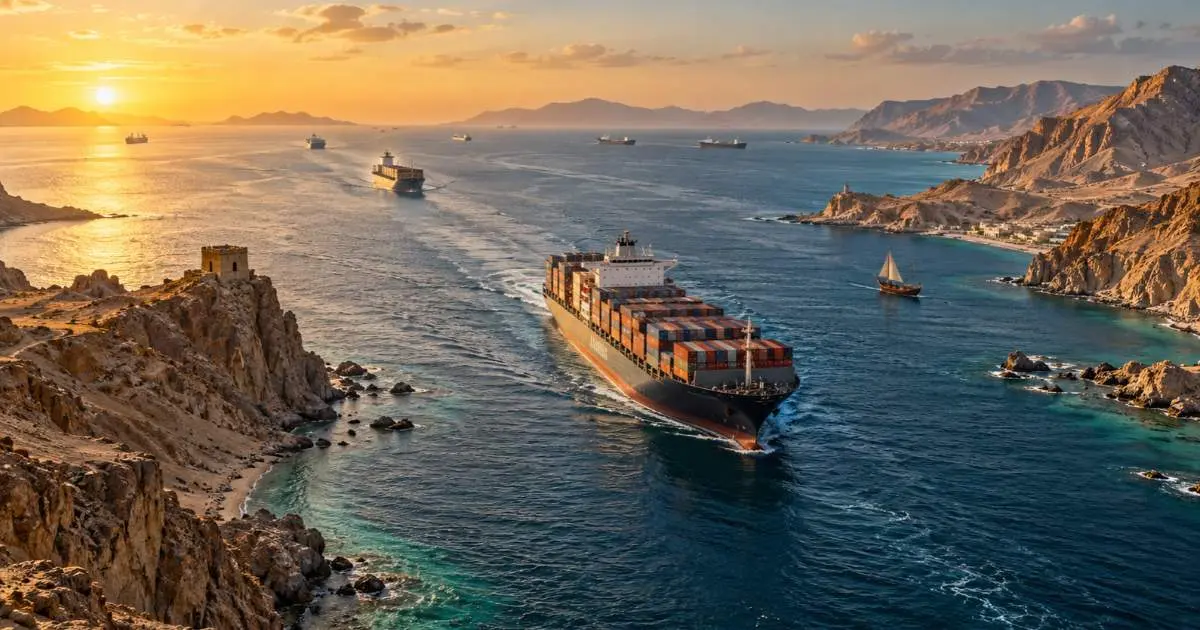
Bab el-Mandeb: How the World Made a Chokepoint
Bab el-Mandeb was not born strategically indispensable. Trade, technology, empire and political choices transformed a narrow sea into a global chokepoint whose power lies in the cost of avoiding it.
• Go beneath the surface ↓
Bab el-Mandeb was not born strategically indispensable. Trade, technology, empire and political choices transformed a narrow sea into a global chokepoint whose power lies in the cost of avoiding it.
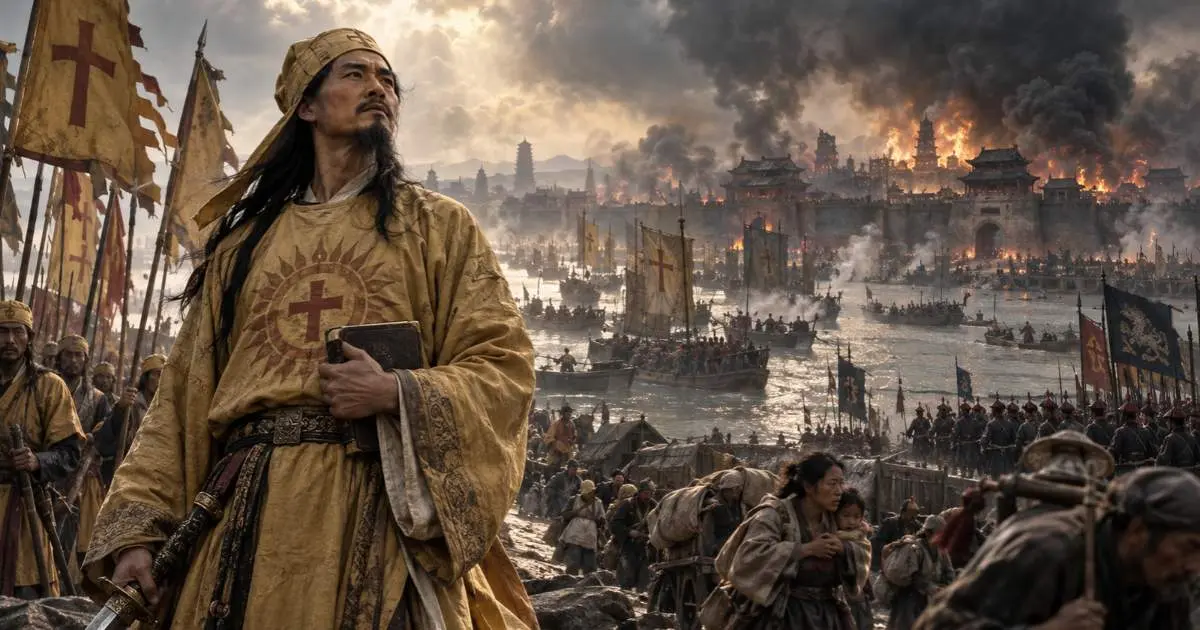
Hong Xiuquan believed he was the younger brother of Jesus. His Taiping movement captured Nanjing, ruled millions and plunged Qing China into a civil war that reshaped the state that eventually defeated it.
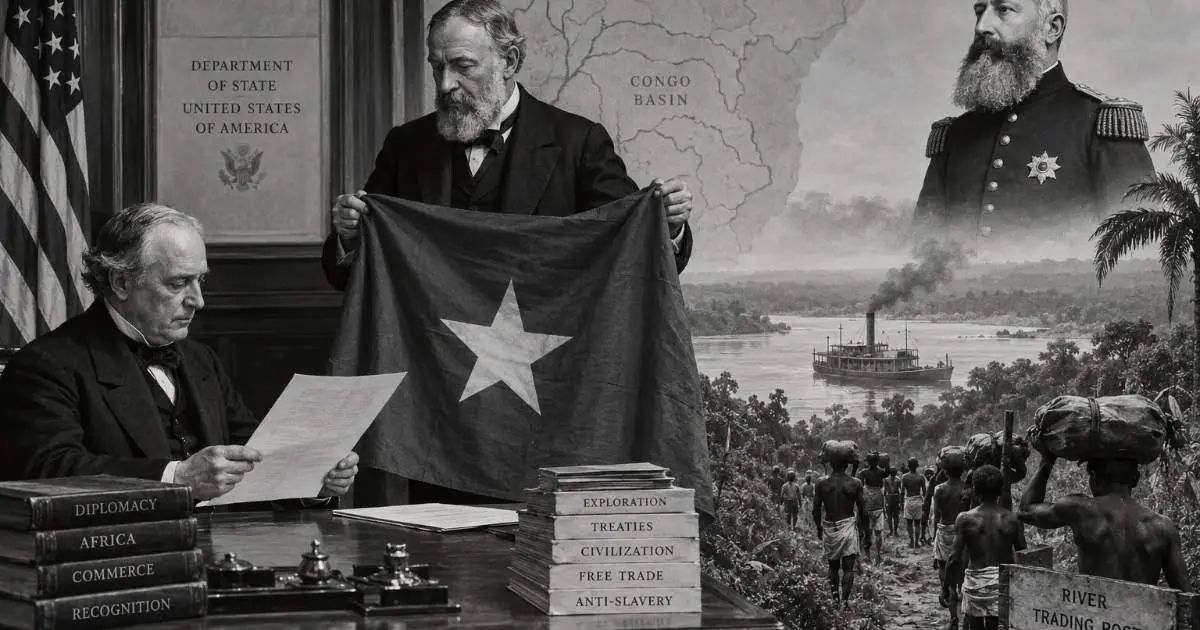
In 1884, the United States recognized the flag of Leopold II’s Congo project before the political entity behind it fully existed. The episode reveals how diplomacy, commerce and recognition helped transform a private imperial venture into an internationally legible state.
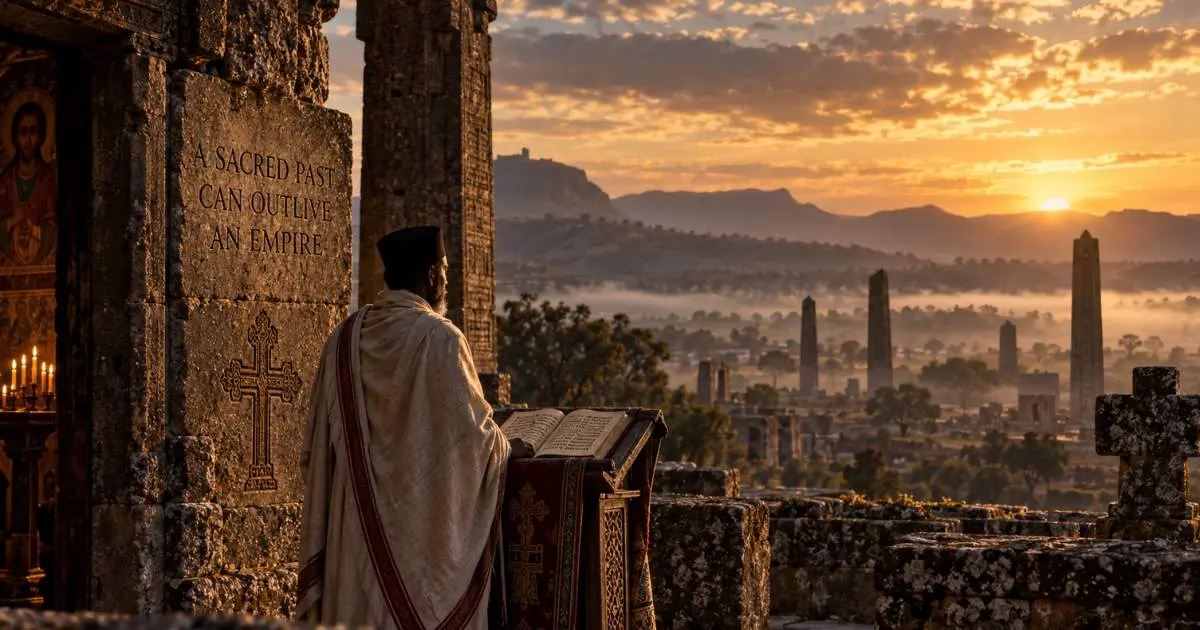
Aksum’s imperial power faded, but its sacred authority endured. From the rock-hewn churches of Lalibela to the Queen of Sheba, the Ark of the Covenant and the Solomonic dynasty, this essay explores how an ancient kingdom became a source of religious and political legitimacy—an inheritance that reached even into Ethiopia’s twentieth-century constitutions.
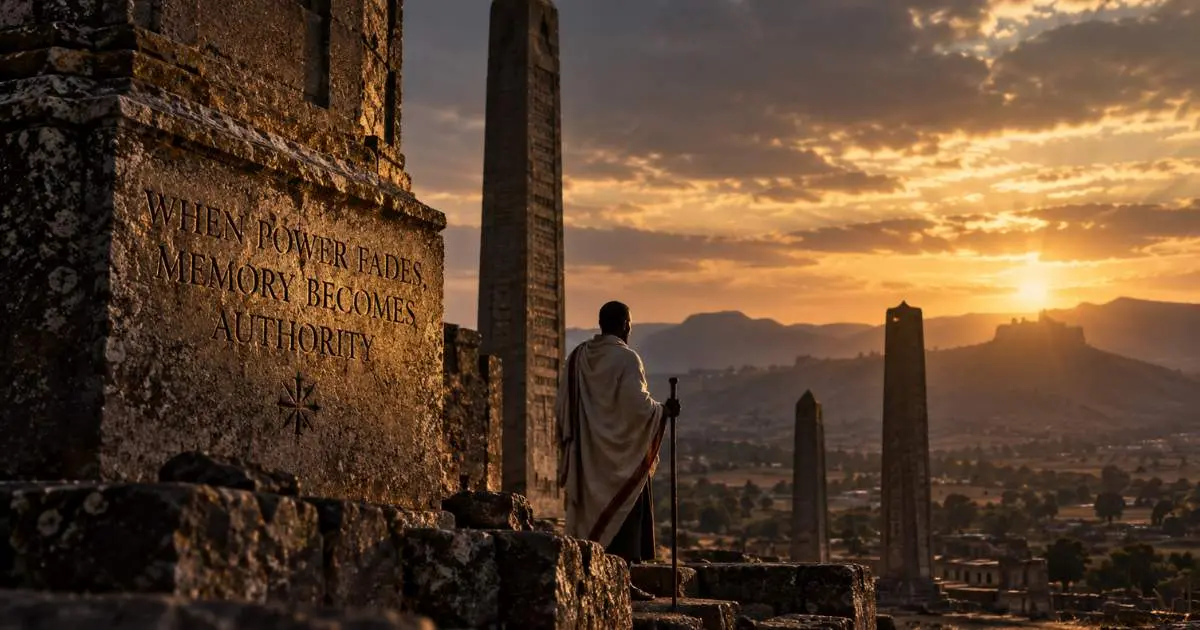
From an inland capital in the African highlands, Aksum built a kingdom whose influence reached across the Red Sea and