

Born Here, Still Foreign: The Politics of Conditional Belonging
Citizenship can establish that a person belongs to a country without ending the demand that they prove it. When ancestry, […]

Citizenship can establish that a person belongs to a country without ending the demand that they prove it. When ancestry, […]

Cinematic editorial image of construction, healthcare and service workers beside a closed café, reflecting the economic debate over a country without immigrants.
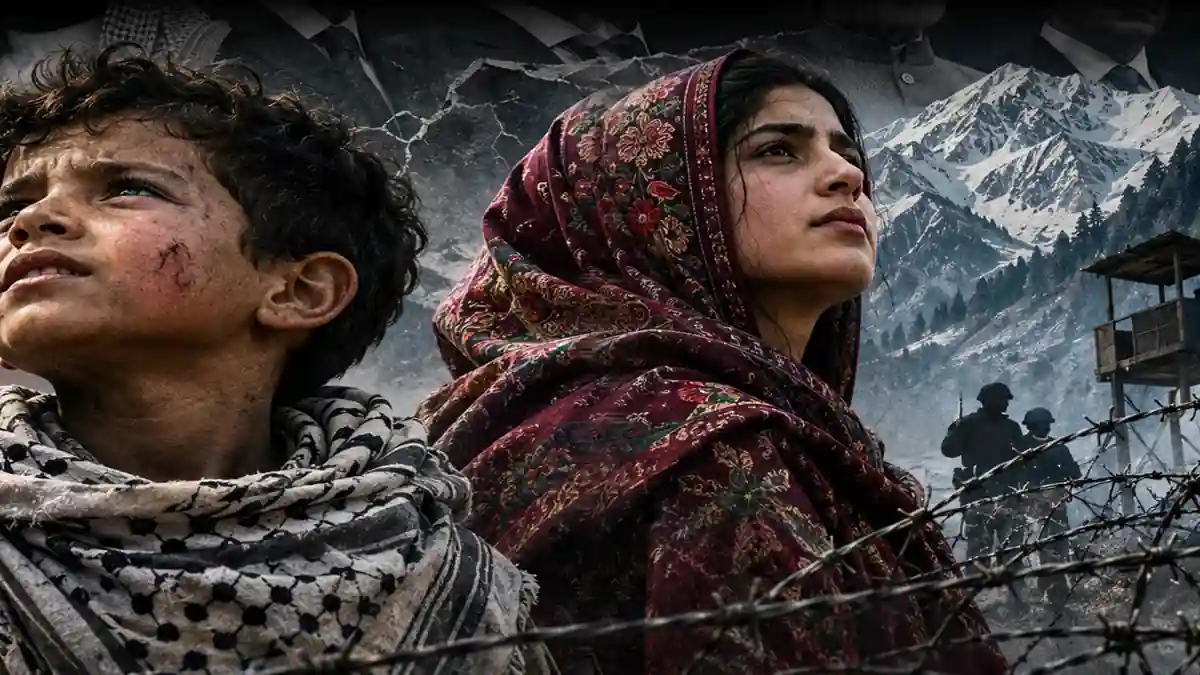
A new defence pact promises protection to Saudi Arabia, Türkiye and Pakistan, while India’s military and economic partnerships cross the same regional fault lines. Through Gaza and Kashmir, this essay examines who can demand solidarity, how governments measure its costs, and whose lives are shaped by promises they cannot enforce.

An agreement could settle a dispute between governments while unsettling life on either side. Tracing the Durand Line, Sistan, the northern frontier and Wakhan, this essay explores how Afghanistan’s boundaries survived empires, acquired new legal authority and reshaped movement, water and belonging.
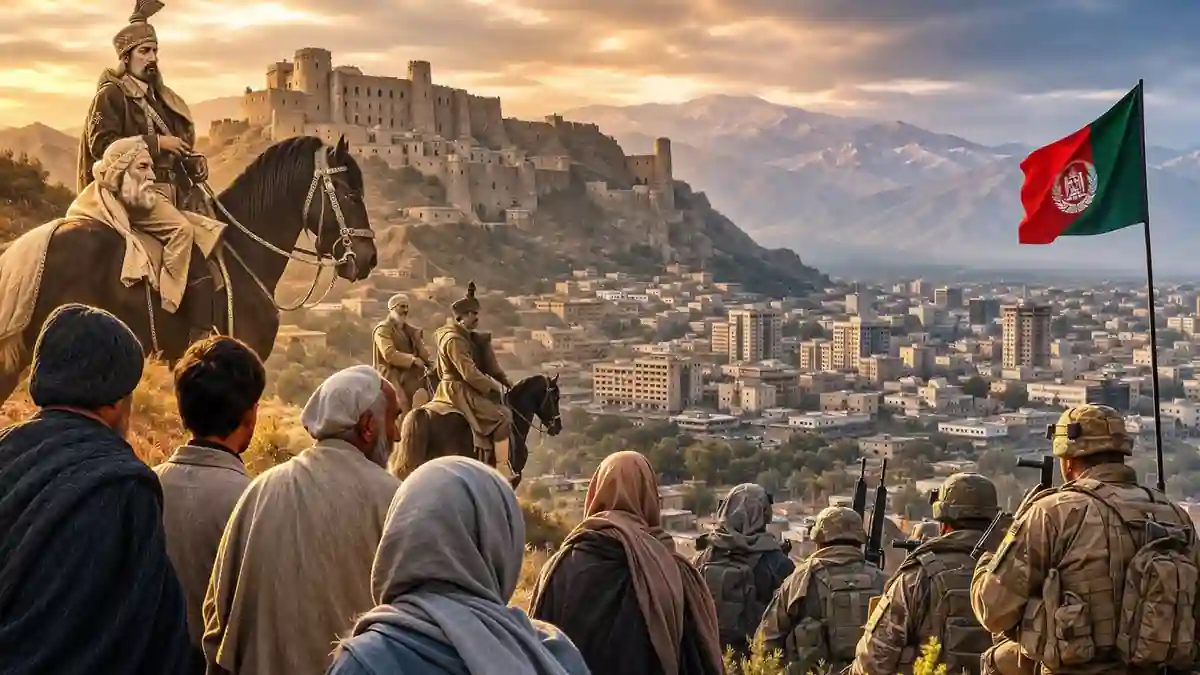
Why did Najibullah’s government survive the Soviet troop withdrawal, while the Afghan republic fell before America completed its departure? Through British diplomacy, Soviet aid, Taliban rule and US-backed state-building, this essay examines why military victory and lasting political authority so often diverged.

Behind the familiar story of invaders defeated lies a different past: cities that sustained imperial rule, dynasties that expanded from Afghan territory, and societies shaped by trade, religion and shifting alliances. Follow the transformation of conquest into government before the Durrani state emerged.

Owning gold does not settle who can use it. From India’s emergency borrowing to Germany’s divided vaults and Venezuela’s contested instructions, this essay examines how custody, legal authority and market access shape the power of national reserves.
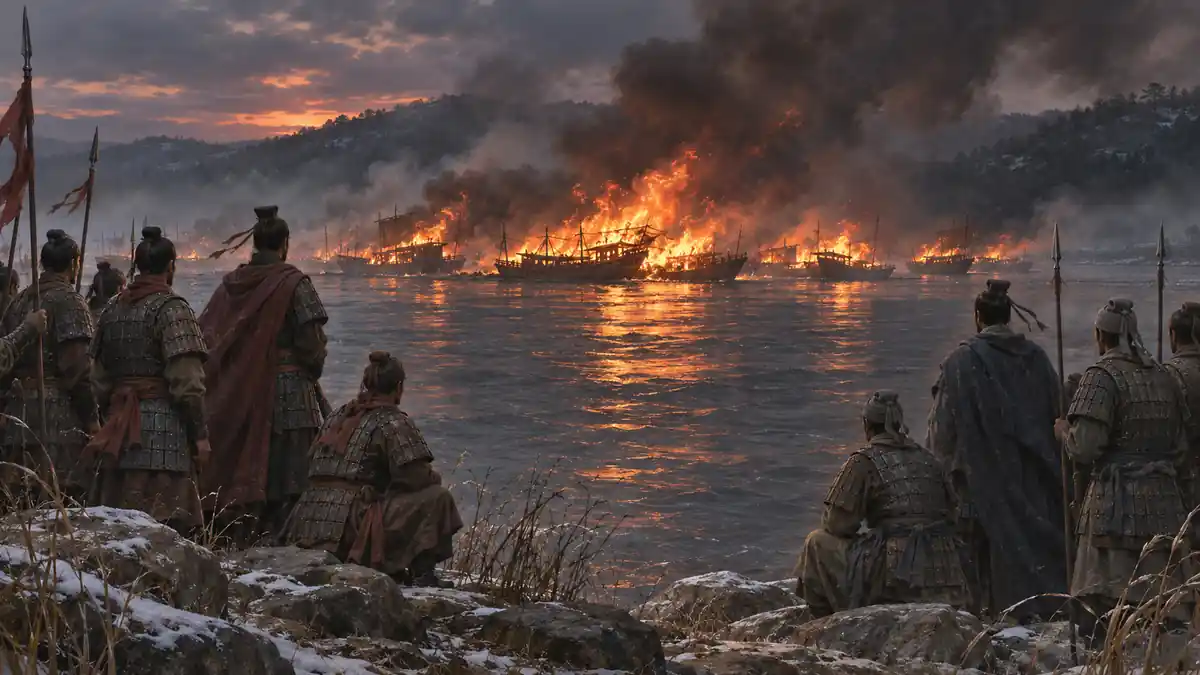
Red Cliffs stopped Cao Cao’s southern advance, but left the victors disputing the rewards. Follow the territorial bargains, broken alliance and renewed cooperation that shaped the Three Kingdoms.

The Chola kings sent armies across the Bay of Bengal, but lasting influence depended on merchants, local rulers and religious institutions. From Sri Lankan revenues to a Tamil trading settlement in Sumatra, this essay follows the people and obligations behind royal glory.
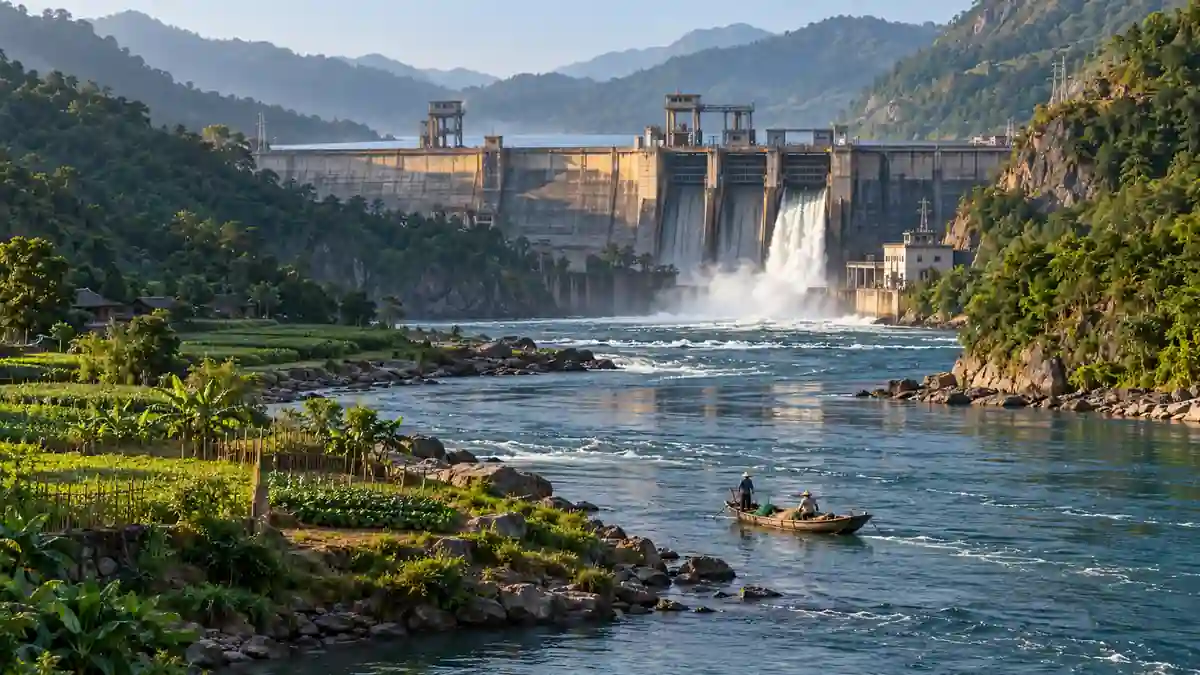
Sharing a river means negotiating who controls its timing, who receives advance warning and who can challenge harmful decisions. From the Colorado to the Nile and Mekong, this essay examines how dams distribute authority, information and risk—and what shared governance requires.